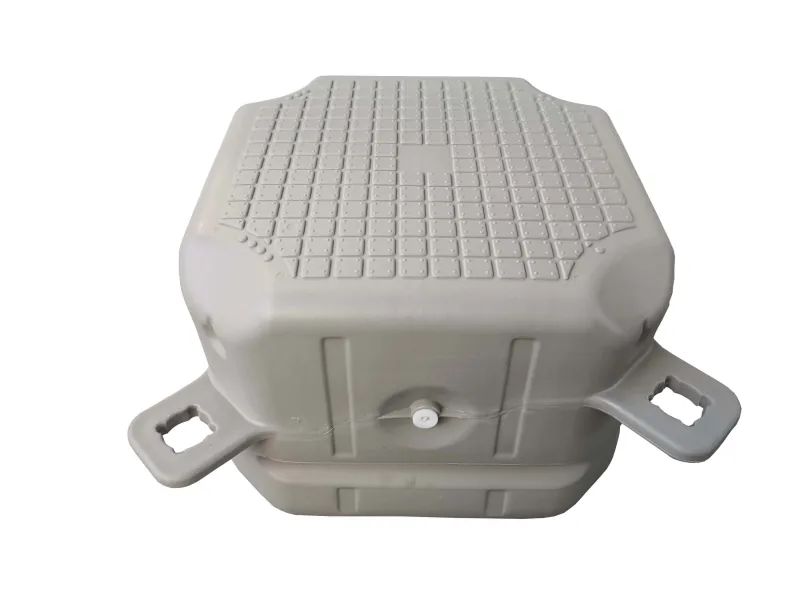
Single Float H40
€47.50per piece

Parts
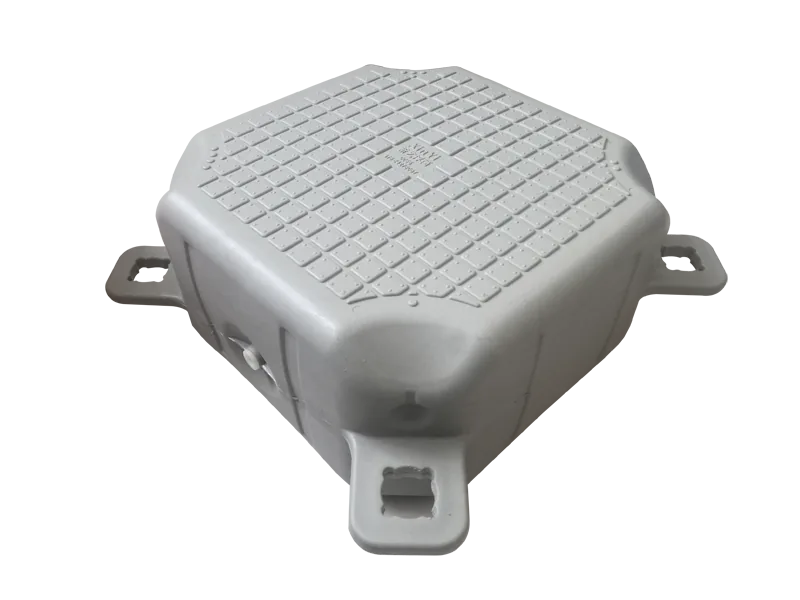
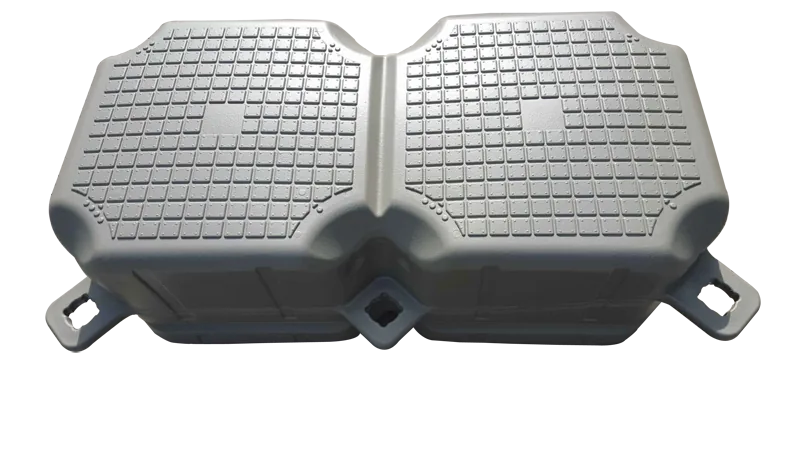
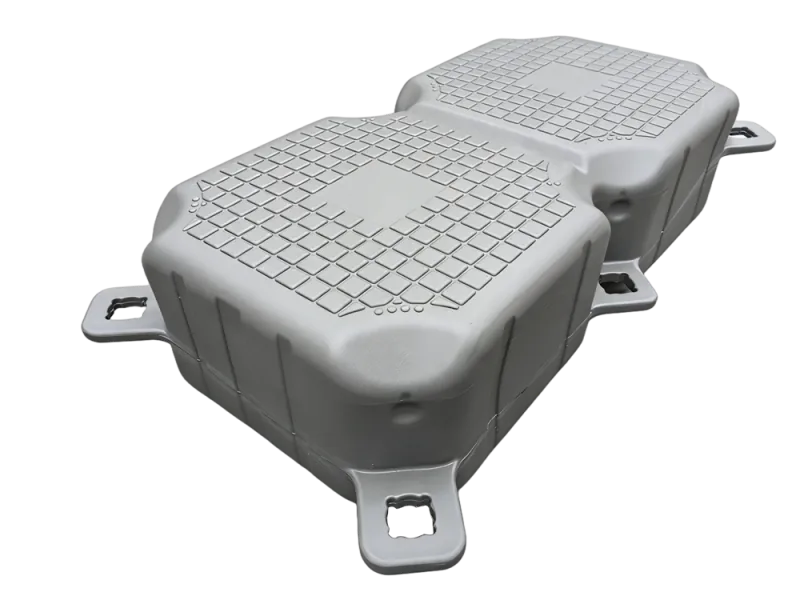
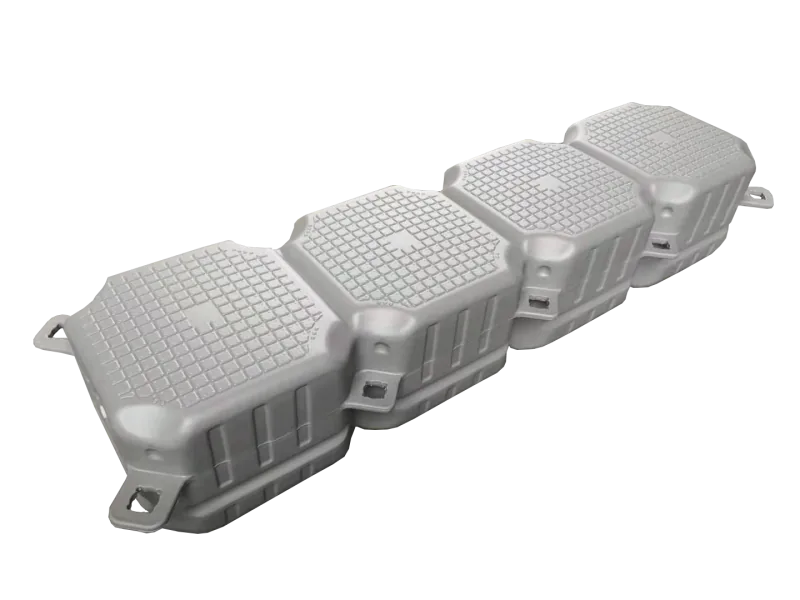
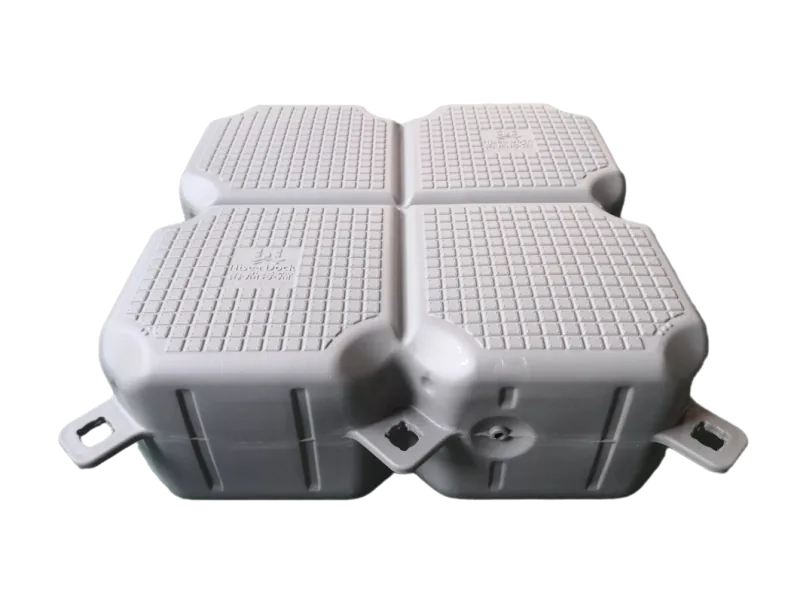
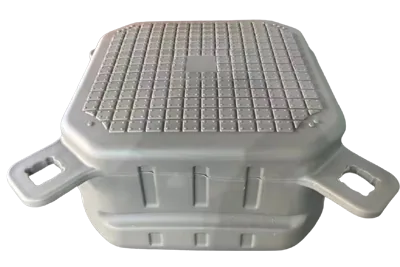
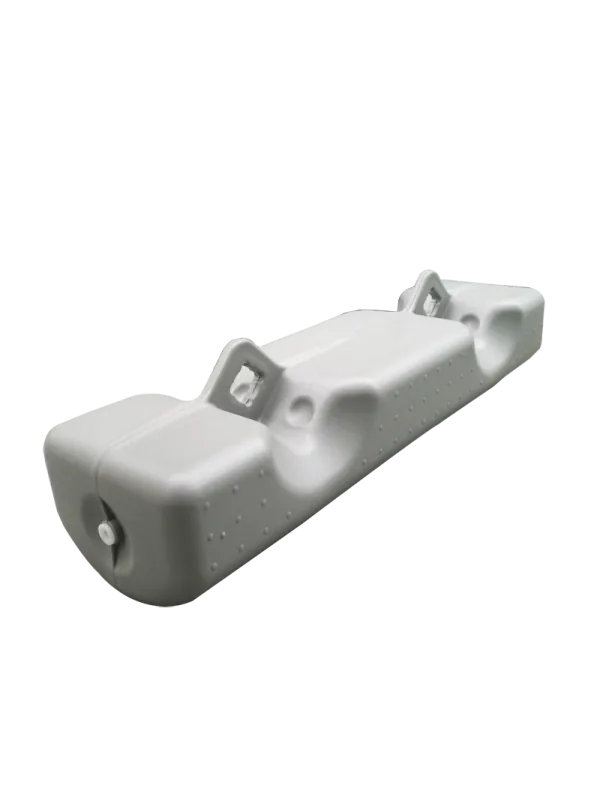
The float — also called a floating cube or pontoon cube — is the building block of every pontoon. The standard version measures 50 × 50 × 40 cm, costs €47.50 net and carries around 100 kg. Alongside it come low, double and quad versions plus special shapes for jetski ramps, hull guidance and corners.
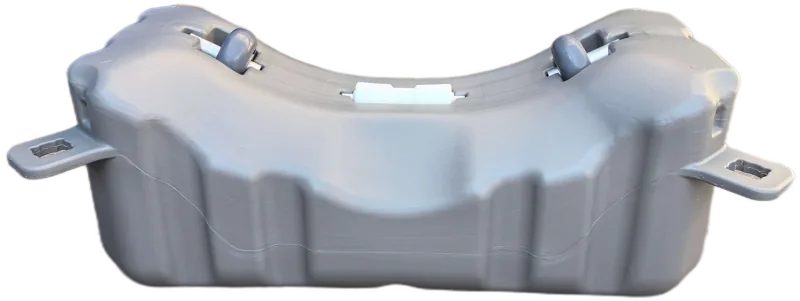
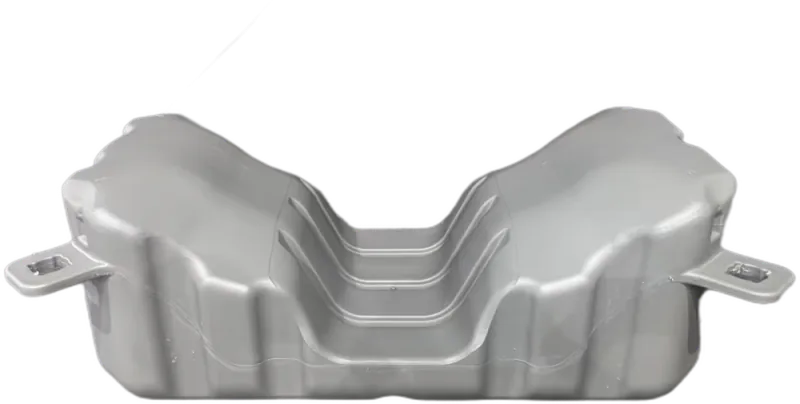
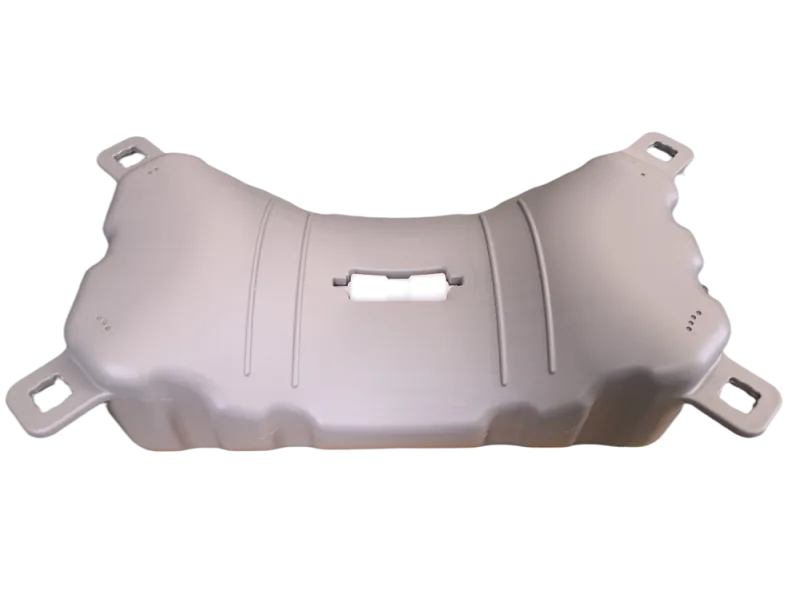
All prices exclude freight from Rotterdam. We quote freight with your offer.
Every float follows the same 500 × 500 mm grid. The H40 single float is the standard: 500 × 500 × 400 mm, €47.50 net, roughly 100 kg of buoyancy. Double and quad floats cover two or four grid squares and save coupling pins — a 2000 × 500 mm long quad float costs €159 against €190 for four single floats.
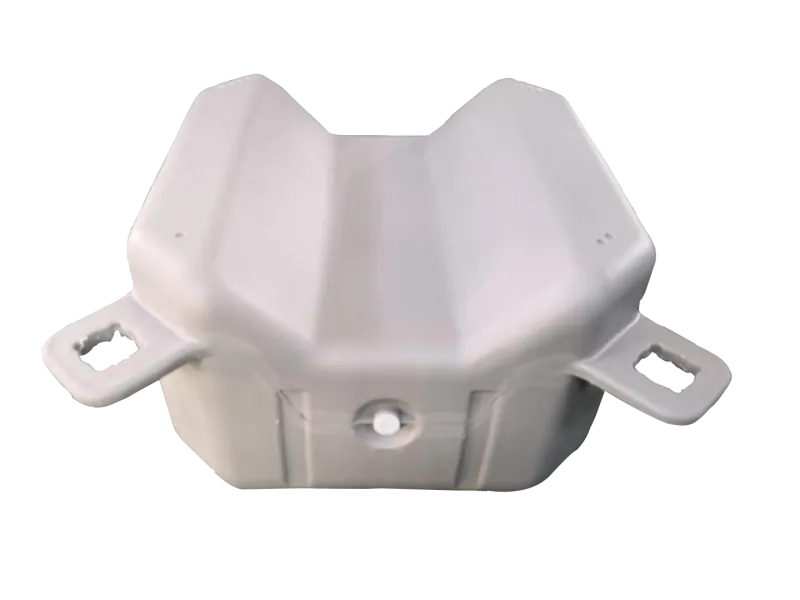
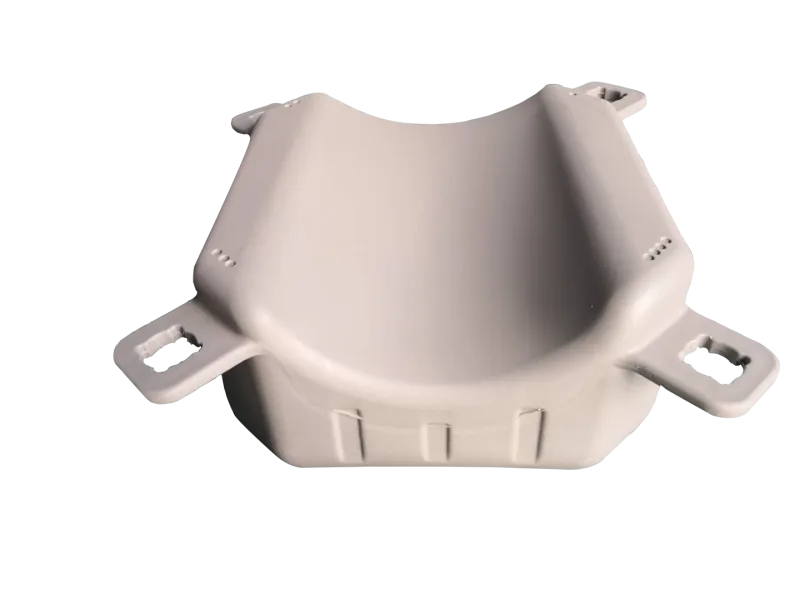
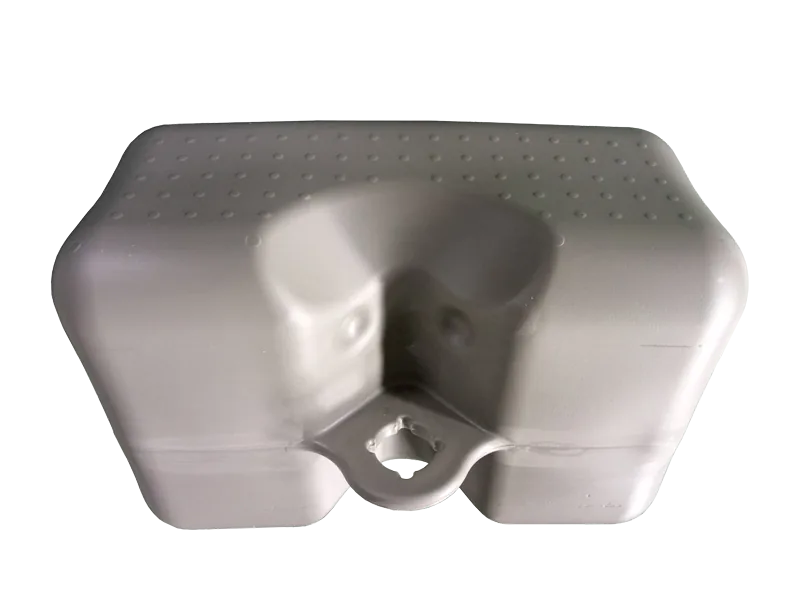
U- and V-floats form the channel the jetski or hull rests in. Which shape you need depends purely on width: whole-metre widths of 2, 3 or 4 metres call for 1000 × 500 mm U-floats, half-metre widths of 1.5 or 2.5 metres for the smaller 500 × 500 mm V-floats. For heavier boats there are U-floats with one or three rollers to ease the drive-on.
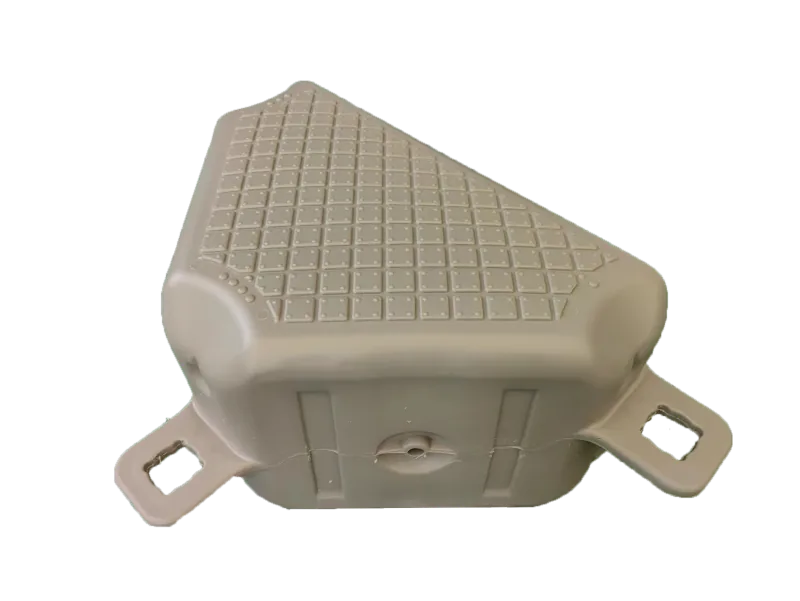
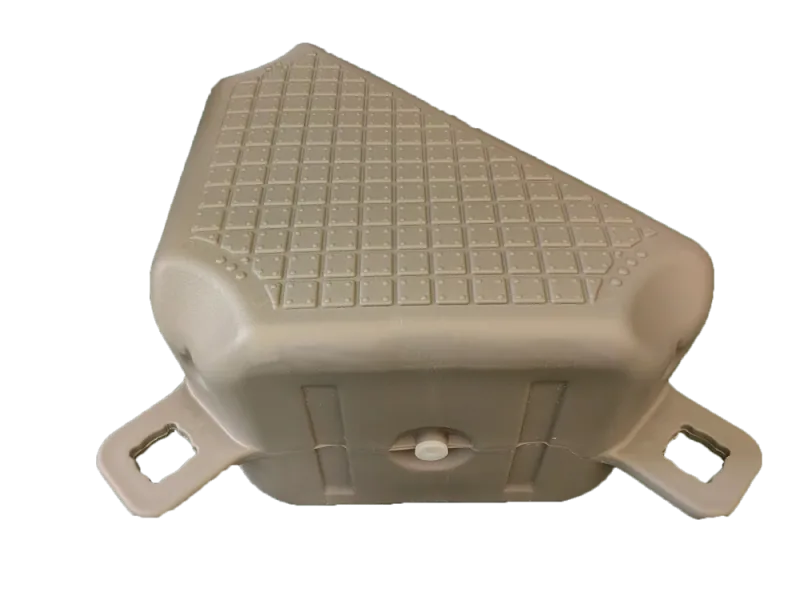
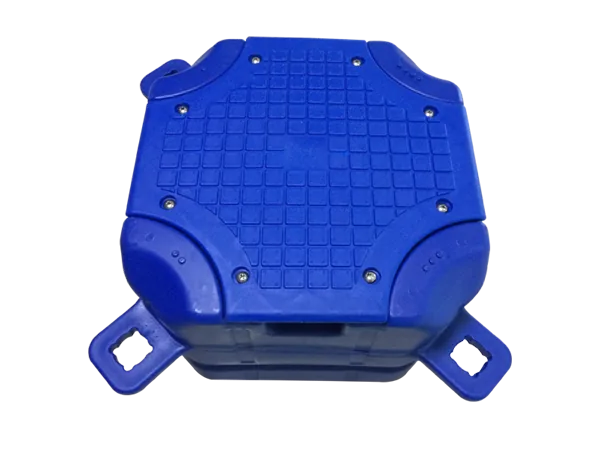
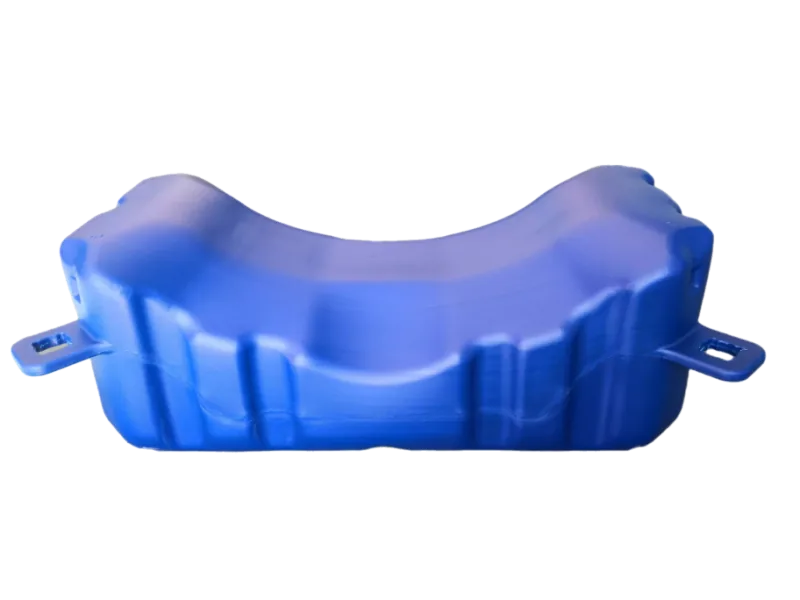
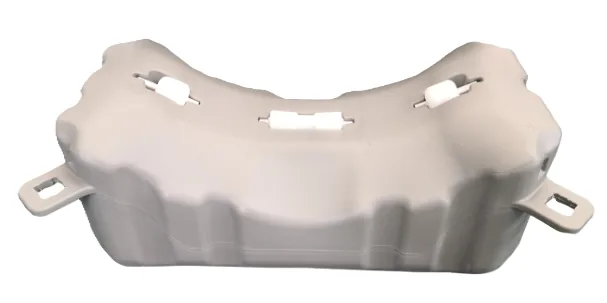
Beyond that come special shapes for particular jobs: the low-profile H25 for floating jetties without a drive-on, the bevelled H32 as a transition to the bank, corner floats for clean outer edges, fenders as impact protection along the long side, and the blue utility float that carries water and power lines inside the body.
An H40 float measures 500 × 500 × 400 mm, displaces roughly 100 litres and therefore carries about 100 kg. The low-profile H25 at 250 mm carries around 60 kg, the double-size U-float H40 around 200 kg. In practice you reckon four floats per square metre, so roughly 400 kg of buoyancy per square metre of pontoon.
Four. One float measures 50 × 50 cm, four of them make exactly one square metre. A 3 × 3 metre platform needs 36 floats, a 2 × 4 m jetski dock 26 floats in total — there six double-size U-floats form the drive-on channel. The configurator calculates both cases.
Both form the channel for a jetski or hull; they differ in size. The U-float measures 1000 × 500 mm and covers two grid squares, the V-float 500 × 500 mm and therefore one. Width decides which you get: 2, 3 or 4 metres give U-floats, 1.5 or 2.5 metres give V-floats.
HMWHDPE is high molecular weight, high density polyethylene. It is UV-stable, saltwater-resistant, frost-proof and absorbs no water, so it never needs painting or sealing. Every float is made from it, CE-compliant, produced to ISO 9001 and SGS-tested, with a five-year warranty.
Four: grey, blue, orange and black. Grey is the standard colour and always in stock, the other three depend on batch and version. Colour has no effect on buoyancy or durability — the material is coloured throughout rather than painted, so it does not fade unevenly.