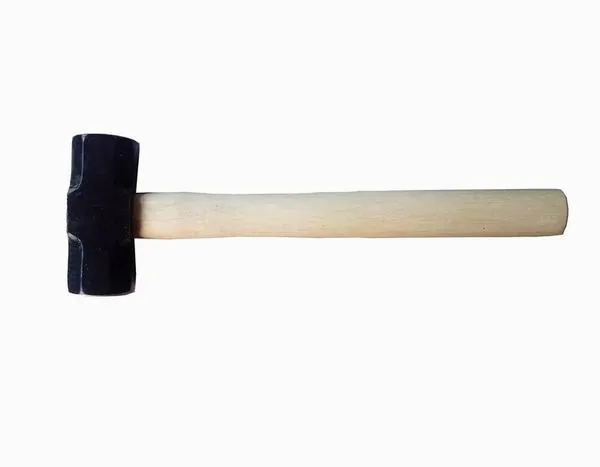
Mallet
€13.50per piece

Parts
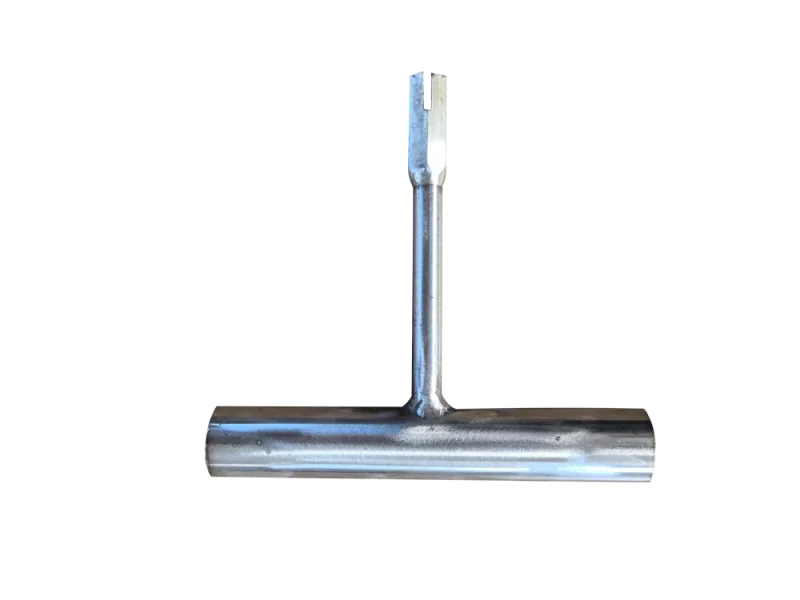
Assembly and dismantling need two things: a mallet to drive the coupling pins home and a pin spanner to pull them out again. Both are included with the complete kits. Anyone building or reconfiguring several pontoons adds a nut spanner and plug tool.
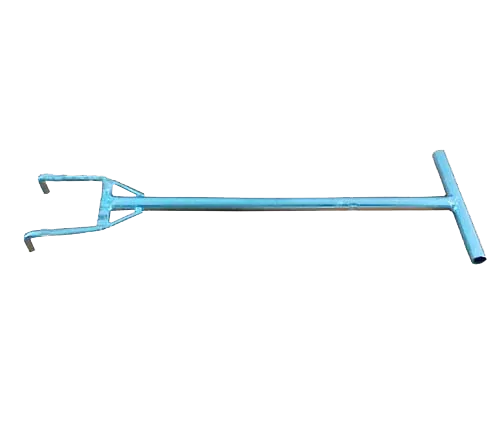
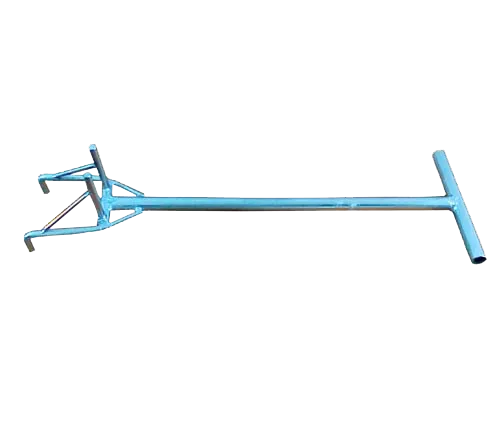
All prices exclude freight from Rotterdam. We quote freight with your offer.
Two tools are enough for assembly: a rubber mallet at €13.50 to drive the coupling pins in, and a pin spanner at €39.75 to pull them out again. Both are included with the complete kits. Anyone buying individual parts or extending later still needs them — no power tools or machinery are involved.
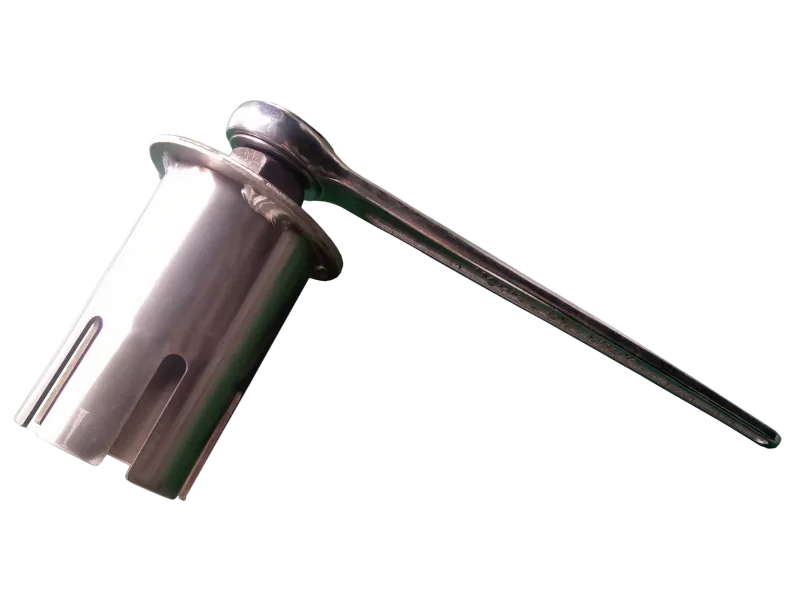
The double pin spanner at €47.50 grips two pins at once and pays off from around 30 square metres. Nut spanner, socket spanner and hex socket are meant for the bolt-and-nut sets along the outer edge. All spanners are stainless steel and therefore saltwater-proof themselves.
A rubber mallet and a pin spanner. With those any dock can be assembled and taken apart again. Both are included in every complete kit. Only if you order individual parts or extend an existing dock do you need to buy them separately — around €53 net for the pair.
Two people build a 2 × 4 m dock in about two hours, a 3 × 3 m swim platform in a good hour. Assembly happens in the water, because the floats are awkward to handle on land. Preparation, anchoring and alignment come on top, depending on the site.
No. The whole system works without drilling, cutting or welding. Coupling pins are driven in with the rubber mallet, bolts tightened by hand. A cordless driver with a socket insert only speeds up the bolt-and-nut sets along the edge; it is not required.